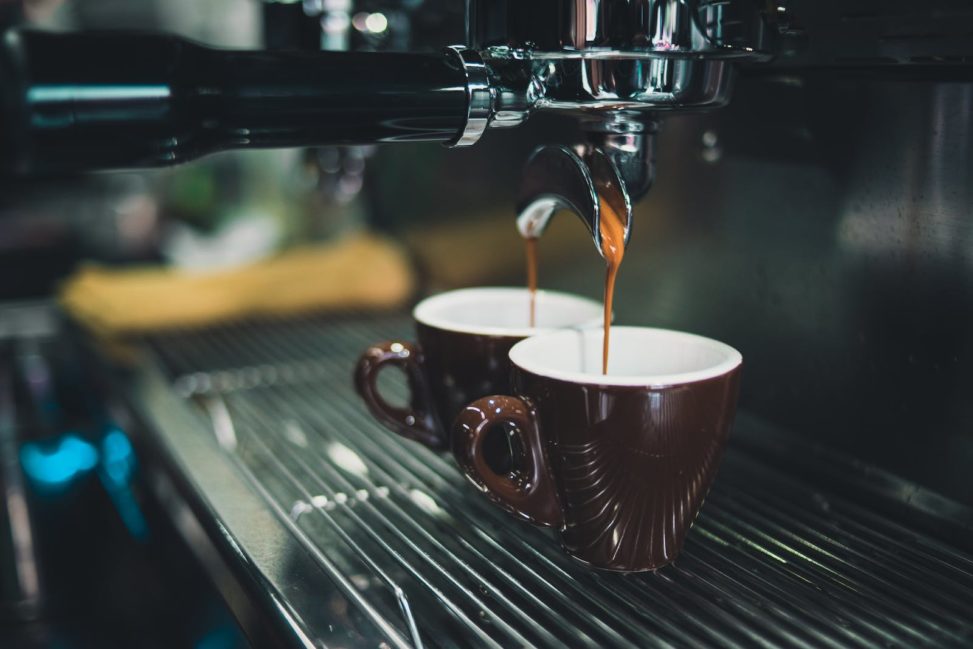
Espresso coffee is a beloved beverage for coffee lovers around the world, which, because of its perceived strength, divides people into those that love it and those that don’t! I definitely fall into the former category and enjoy many different drinks made from espresso, such as Americano, Latte, Cappuccino, Cafe Mocha, Flat White, Espresso Macchiato, etc. But if you’re curious about espresso coffee, then this article is for you!
Disclaimer: When you buy through a link on this site, I earn commission from any qualifying purchases as I’m an Amazon Associate.
What exactly is Espresso Coffee?
It is a concentrated form of coffee that is brewed by forcing hot water through finely ground coffee beans, using high pressure. The result is a strong and flavorful shot of coffee that can be enjoyed on its own or used as a base for other coffee drinks.
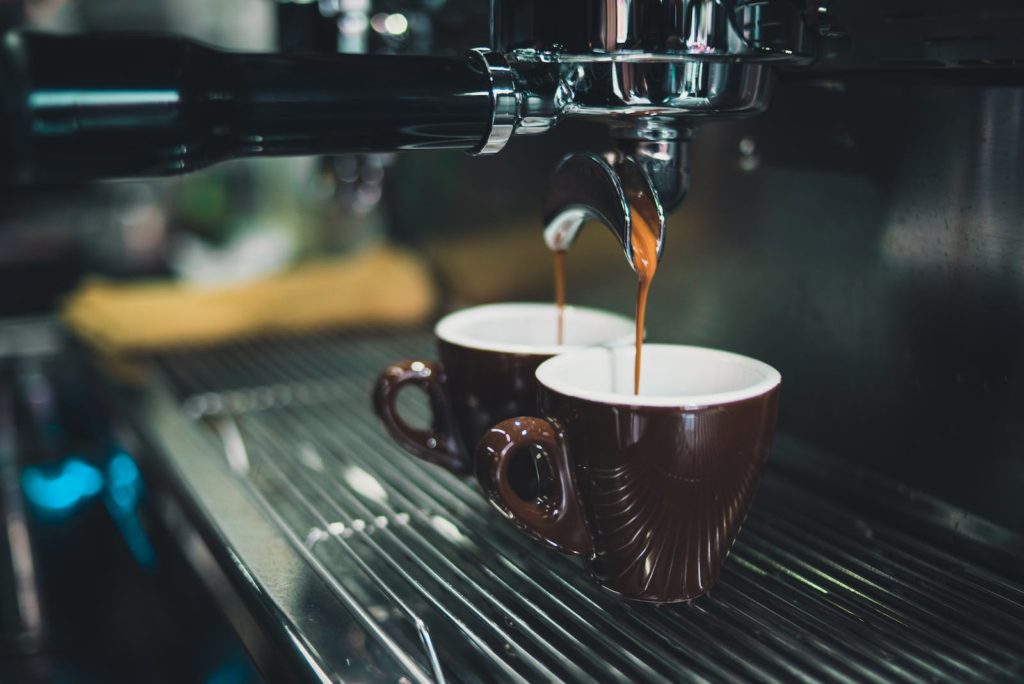
To make espresso at home, many coffee lovers turn to espresso coffee makers. These devices are designed to extract the perfect shot of espresso by using high pressure to force water through the coffee grounds. Espresso coffee makers come in a variety of styles and sizes, from manual machines that require a bit of skill to use, to fully automatic machines that can make a perfect shot of espresso with just the push of a button.
Whether you are a coffee connoisseur or just looking to enjoy a delicious cup of espresso at home, an espresso coffee maker is a great investment. With so many options available, it can be overwhelming to choose the right one. In this article, we will explore the different types of espresso coffee makers and provide tips on how to choose the best one for your needs.
The Art of Espresso Making
Making the perfect espresso requires skill, precision, and attention to detail. Here are two essential techniques that every barista must master to make a perfect espresso.
Grinding the Perfect Coffee Beans
The quality of the espresso depends on the quality of the coffee beans and how finely they are ground. The beans must be ground to a fine, even consistency to ensure that the water passes through them evenly. The ideal grind size for espresso is between medium and fine. If the grind is too coarse, the water will pass through too quickly, resulting in a weak and watery espresso. If the grind is too fine, the water will not pass through the coffee, resulting in a bitter, over-extracted, and short espresso.
Mastering the Tamping Technique
Tamping is the process of compressing the ground coffee into a compact puck using a tamper. The aim is to create a flat and even surface to ensure that the water passes through the coffee evenly.
The amount of pressure applied during tamping is crucial. Too little pressure will result in a weak and under-extracted espresso, while too much pressure will result in a bitter and over-extracted espresso. The ideal pressure for tamping is around 30 pounds of pressure.
Keep your Espresso Maker Clean & Maintained
Machines these days tend to be automated, but the best coffee is still extracted by hand! A good barista will know how to do it well and understand the importance of keeping the machines cleaned.
In conclusion, making the perfect espresso requires a combination of skills, precision, and attention to detail. By mastering the grinding and tamping techniques, a barista can create a delicious and consistent espresso every time.
Top Espresso Coffee Makers of 2024
If you’re a coffee lover, then you know that a good espresso is hard to beat. Espresso coffee makers have come a long way in recent years, and there are now more options than ever before. In this section, we’ll take a look at the top espresso coffee makers of 2024.
Super-Automatic Espresso Machines
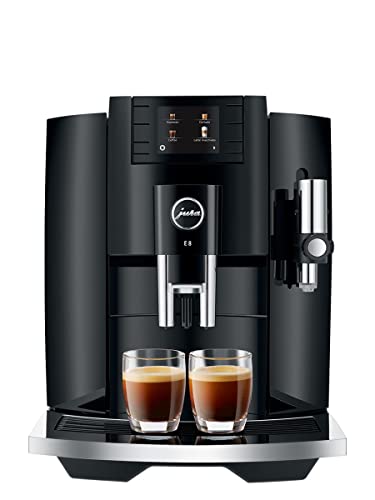
Jura E8: This machine is a favorite among coffee lovers for its ease of use and high-quality espresso. It has a built-in grinder and milk frother, and can make a variety of espresso drinks. Check out the Jura E8 here.

The DeLonghi Magnifica is another popular super-automatic espresso machine. It has a compact design and is easy to use, making it a great choice for those who are short on counter space.
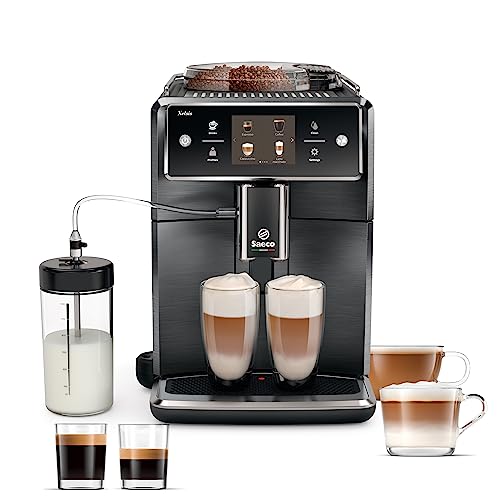
The Saeco Xelsis is a high-end super-automatic espresso machine that is perfect for those who want the ultimate in convenience and quality. It has a built-in grinder and milk frother, and can make a variety of espresso drinks.
Super-automatic espresso machines are the ultimate in convenience. They do everything for you, from grinding the beans to frothing the milk. Here are some of the top super-automatic espresso machines of 2024:
- Jura E8: This machine is a favorite among coffee lovers for its ease of use and high-quality espresso. It has a built-in grinder and milk frother, and can make a variety of espresso drinks. Check out the Jura E8 here.
- DeLonghi Magnifica: The DeLonghi Magnifica is another popular super-automatic espresso machine. It has a compact design and is easy to use, making it a great choice for those who are short on counter space.
- Saeco Xelsis: The Saeco Xelsis is a high-end super-automatic espresso machine that is perfect for those who want the ultimate in convenience and quality. It has a built-in grinder and milk frother, and can make a variety of espresso drinks.
Manual Espresso Machines
Manual espresso machines require a bit more work, but they also give you more control over the brewing process. Here are some of the top manual espresso machines of 2024:
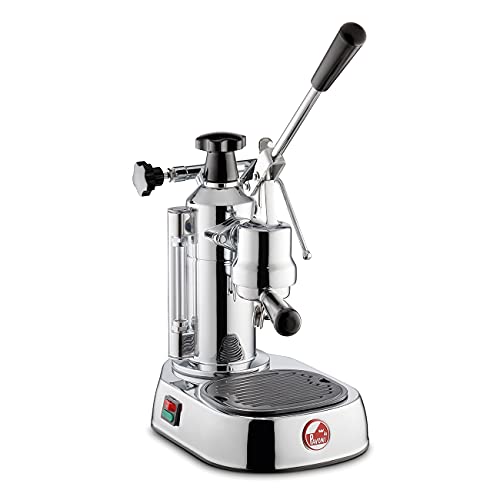
- Ideal for making coffee specialty drinks at home
- Sturdy all-steel construction under heavy chrome plating
- Comes with tamper, screen, screen holder, measuring ladle, and cappuccino attachment
- Also includes instructional video for getting started
- Measures 11 by 7 by 12 inches; 1-year warranty
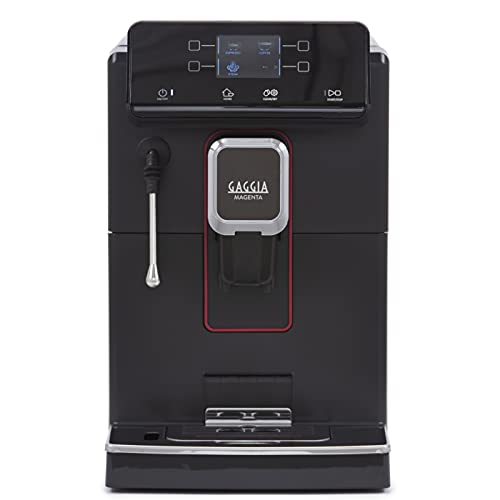
- On the Fly Programming: Making changes to your favorite drinks has never been easier.
- Full Color Display: Your favorite drinks have never looked better! Crisp icon based navigation makes brewing fun and easy.
- Commercial Steam Wand: The best milk drinks are prepared with a true commercial steam wand.
- One Size Fits All: The drip tray and cup riser provide sufficient clearance to tall cups. At max height, the Magenta can fit large/travel mugs up to 6” tall.
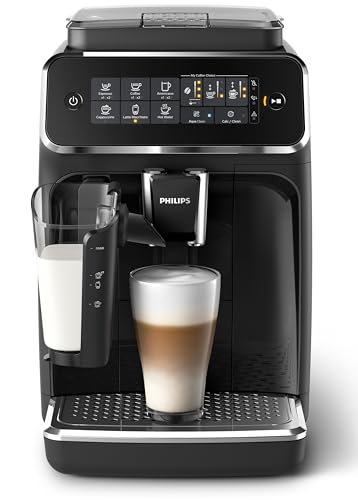
- Philips 3200 Series brings you delicious taste and aroma of coffee at the perfect temperature
- LatteGo Milk System: Top your coffee off with a silky-smooth layer of milk froth
- Intuitive Touch Display: Select the perfect coffee for your mood with just one touch
- My Coffee Choice Menu: Adjust the strength and quantity of your beverage and choose from three different settings to suit your preferences.
- La Pavoni Europiccola: The La Pavoni Europiccola is a classic manual espresso machine that has been around for decades. It’s a favorite among coffee enthusiasts for its beautiful design and high-quality espresso.
- Gaggia Magenta: The Gaggia Magenta is a stylish machine that brews your favorite espresso, cappuccino, latte, or americano at a touch of a button. Highly customizeable drinks of different strength, temperature, and volume settings.
- Gaggia Classic: The Gaggia Classic is a great entry-level manual espresso machine. It’s affordable and easy to use, making it a great choice for those who are new to making espresso at home.
No matter what your budget or brewing preferences are, there is an espresso coffee maker out there for you. These top espresso coffee makers of 2024 are sure to provide you with a delicious cup of espresso every time.
Features to Look for in an Espresso Coffee Maker
For coffee lovers, having a good espresso coffee maker is essential. However, with so many options available in the market, it can be challenging to choose the right one. In this section, we will discuss the essential features to look for in an espresso coffee maker.
Pressure and Temperature Control
The key to a perfect espresso shot is the right combination of pressure and temperature. Therefore, it is important to look for an espresso coffee maker that offers precise control over these two factors. A good espresso machine should have a pump that can produce at least 9 bars of pressure, and a temperature control system that can maintain the water temperature within 1 degree Celsius of the optimal temperature range.
Built-In Coffee Grinder
Freshly ground coffee beans are essential for a good espresso shot. Therefore, it is recommended to look for an espresso coffee maker that comes with a built-in coffee grinder. This feature ensures that the coffee beans are freshly ground just before brewing, which results in a more flavorful and aromatic espresso shot. In my opinion, because of the design compromises, most all-in-one machines will not have the most reliable coffee grinder. If you have the budget (money or space!), choose a separate grinder.
Programable Settings
Different people have different preferences when it comes to espresso shots. Some like it strong, while others prefer a milder taste. Therefore, it is important to look for an espresso coffee maker that offers programmable settings. This feature allows the user to adjust the strength and volume of the espresso shot according to their preference.
In conclusion, when looking for an espresso coffee maker, it is important to consider the pressure and temperature control, built-in coffee grinder, and programmable settings. By choosing a machine that has these features, coffee lovers can enjoy a perfect cup of espresso every time.
Espresso Coffee Maker Maintenance
Espresso coffee makers are a great addition to any coffee lover’s kitchen. However, to ensure that your machine continues to produce high-quality espresso shots, it is essential to perform regular maintenance. Here are some tips to keep your espresso coffee maker in top condition.
Regular Cleaning Tips
Cleaning your espresso coffee maker regularly can help prevent the buildup of coffee oils and other residues that can affect the taste of your espresso. To clean your machine, follow these steps:
- Turn off your espresso coffee maker and unplug it from the power source.
- Remove the portafilter and discard any used coffee grounds.
- Use a damp cloth to wipe down the exterior of the machine.
- Remove the drip tray and wash it with warm, soapy water.
- Clean the portafilter and basket with a brush or cloth.
- Run a cycle of water through the machine to flush out any remaining residues.
Descaling for Longevity
Descaling your espresso coffee maker regularly can help prevent mineral buildup in the machine’s internal components. This buildup can lead to clogs and other issues that can affect the taste of your espresso. To descale your machine, follow these steps:
- Mix a descaling solution according to the manufacturer’s instructions.
- Fill the water tank with the descaling solution and run a cycle of water through the machine.
- Repeat the process with clean water to rinse out any remaining solution.
- Wipe down the exterior of the machine with a damp cloth.
By following these maintenance tips, you can ensure that your espresso coffee maker continues to produce high-quality espresso shots for years to come.
Espresso Recipes and Tips
Classic Espresso Shot
For those who prefer a classic espresso shot, start by using freshly roasted and ground coffee beans. Preheat the espresso machine and fill the portafilter with the coffee grounds. Tamp the grounds down firmly and insert the portafilter into the machine. Start the machine and let the espresso shot pour into a demitasse cup. A classic espresso shot should have a thick, golden crema on top and a rich, full-bodied flavor.
Latte and Cappuccino Creations
For those who prefer a milk-based espresso drink, there are endless possibilities for creating delicious lattes and cappuccinos. Start with a shot of espresso and frothed milk. For a latte, pour the frothed milk over the espresso shot, holding back the foam with a spoon. For a cappuccino, spoon the foam over the top of the espresso shot and then pour the frothed milk over the foam.
To add some flavor to your latte or cappuccino, try adding a flavored syrup such as vanilla or caramel. For an extra indulgent treat, sprinkle some cocoa powder or cinnamon on top.
Remember, the key to a great milk-based espresso drink is properly frothed milk. Use cold milk and a frothing pitcher, and froth until the milk is smooth and creamy. Avoid overheating the milk, as it can result in a burnt taste.
By following these tips and experimenting with different flavors, you can quickly become a master of espresso and create delicious drinks at home!